Column · @sergioysma956
How to Pressure Clean a Fence Before Staining or Painting
Proper preparation decides how well a fence stain or paint performs, and pressure cleaning is one of the most effective ways to prepare timber, Colorbond, concrete or composite fencing. In Toowoomba, fences face intense UV, summer storms, cold winter mornings and frequent dust from the surrounding Darling Downs. Together these conditions leave a layer of grime, mould, grey weathered fibres and old, failing coatings that stop new finishes from bonding. This guide explains how to pressure clean a fence correctly so your stain or paint lasts as long as possible.
Why Pressure Cleaning Matters Before Staining or Painting
Stain and paint need a clean, sound surface to grip. If you apply a finish over dirt, mildew, chalky residue or loose paint, it will often peel, blister or wear unevenly within a year or two. Pressure cleaning removes surface contaminants quickly and opens up the pores of bare timber so stain can penetrate evenly.
Toowoomba's climate adds specific challenges:
- High UV exposure: Sun breaks down timber surface fibres, leaving a grey, powdery layer that must be removed before coating.
- Cool, damp winters: Shaded fence lines, particularly on the southern side of properties and under trees, often develop mould, algae and lichen.
- Dust and pollen: Windy, dry periods deposit fine dust that bonds with moisture and forms a film on the surface.
- Temperature swings: Large day-to-night temperature differences cause timber to expand and contract, which exposes any weaknesses in a poorly prepared coating.
Assess the Fence First
Before you start, walk the full length of the fence and check its condition. This tells you which cleaning method, pressure setting and repairs are needed.
Identify the Fence Material
Different materials need different approaches. Hardwood palings and rails can handle moderate pressure. Softwoods such as https://andyhdvp165.summitviewdaily.com/posts/the-complete-2026-seasonal-exterior-maintenance-calendar treated pine are far more easily damaged and gouged. Colorbond and other pre-finished metal fencing needs gentle washing rather than aggressive pressure. Concrete and masonry fences tolerate higher pressure but can still be marked by a narrow, close-range jet.
Check for Damage and Old Coatings
Look for loose or rotting palings, protruding nails, split rails and areas of soft timber. Press a screwdriver into suspicious spots; if it sinks in easily, the timber is rotting and should be replaced rather than coated. Note whether the existing finish is a film-forming paint, a semi-transparent stain or an oil, because this affects how much stripping is needed.
Consider the Age of the Paint
Older fences may carry paint applied decades ago. In Australia, paints manufactured before the late 1960s could contain lead, and some older coatings used in later decades may also contain hazardous substances. If you suspect lead-based paint on an older fence, do not pressure wash or sand it without first testing it and following current safety guidance, as the process can spread contaminated debris across your yard.
Equipment and Materials You Need
Having the right equipment makes the job safer and gives a better result.
- Pressure washer with adjustable pressure (a unit rated around 1,500 to 3,000 PSI is suitable for most residential fences)
- Fan tips, typically 25 or 40 degrees, plus a low-pressure soap nozzle
- Fence-safe cleaning solution or a mild sodium percarbonate-based timber cleaner
- Mould and algae treatment, if growth is heavy
- Stiff nylon brush or broom for stubborn areas
- Safety glasses, closed-in footwear, gloves and hearing protection
- Drop sheets or plastic to protect garden beds and nearby surfaces
- Hose, bucket and a stable ladder for taller sections
Avoid chlorine bleach on timber where possible. It can damage wood fibres, harm plants and leave residue that interferes with some finishes. Percarbonate-based cleaners are generally gentler on timber and surrounding vegetation.
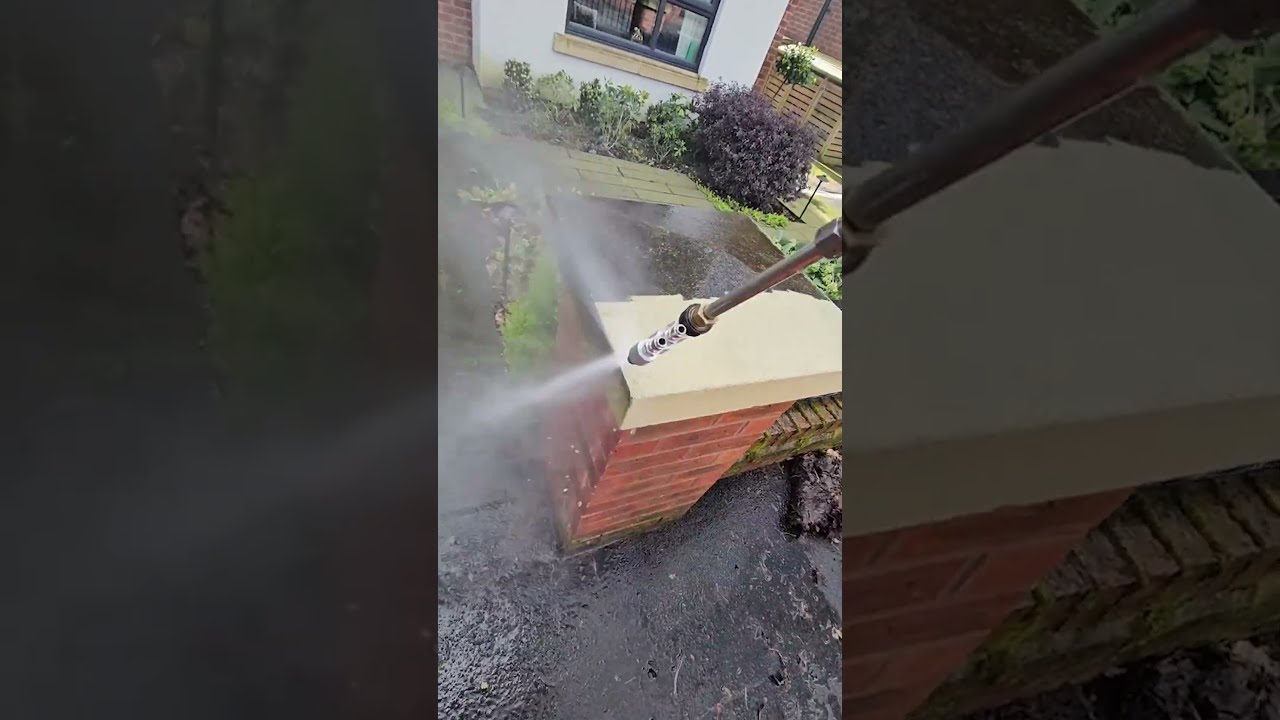
Step-by-Step: How to Pressure Clean a Fence
- Prepare the area. Trim back vegetation, move outdoor furniture and cover delicate plants. Wet nearby garden beds with fresh water first so they absorb less runoff.
- Repair and secure the fence. Hammer down raised nails, tighten loose fixings and mark boards that need replacing. It is easier to fix these before cleaning than after.
- Pre-wet the surface. Lightly wet the fence with a hose. This helps cleaning solution spread evenly and reduces absorption into dry, thirsty timber.
- Apply cleaner. Using a low-pressure setting or a pump sprayer, apply your timber cleaner or mould treatment from the bottom up to avoid streaking. Let it dwell for the time on the product label, usually 10 to 20 minutes, and do not let it dry on the surface.
- Test a small area. Choose a hidden section and start with the wand about 30 centimetres from the surface using a 40-degree tip. Increase pressure or move closer only if needed.
- Clean in the direction of the grain. Work in long, overlapping, sweeping strokes following the timber grain. Keep the wand moving and maintain a consistent distance to avoid zebra-striping or gouging.
- Tackle stubborn spots. Use a stiff brush on persistent mould, bird droppings or sap residue and re-rinse. Avoid zero-degree or turbo nozzles, which can cut into the timber.
- Rinse thoroughly. Rinse from the top of the fence down to remove cleaner and loosened debris, making sure no residue remains in the gaps between palings.
Choosing the Right Pressure for Different Fence Types
Hardwood Fences
Hardwood is dense and can handle moderate pressure, but it can still be scarred by close-range or narrow jets. A wider fan tip and steady distance help maintain an even surface.

Treated Pine and Softwood Fences
Softwoods are easily damaged, so use lower pressure and keep further back. Fibres can be raised or fuzzy if the pressure is too high, and this usually requires sanding to correct. Rely more on chemical cleaning and gentle rinsing than force.
Colorbond and Metal Fencing
Pre-finished steel fencing needs only a gentle wash with mild detergent and low pressure. High pressure can force water behind overlaps or damage the factory finish. If you plan to repaint metal, a light clean followed by correct primer is typically enough.
Concrete and Rendered Walls
Masonry can handle higher pressure but should be tested first, particularly on older render, which may crumble. Allow extra drying time because masonry holds moisture longer than timber.
Drying Time: The Step Many People Rush
After pressure cleaning, timber needs time to dry before any coating is applied. Applying stain or paint to damp timber traps moisture and causes poor adhesion, blistering and early failure. In Toowoomba's warmer, drier months, a fence will often dry within 24 to 48 hours, but in cooler or humid weather, or in shaded areas, it can take several days.
Use a moisture meter if you have one; timber generally should be below about 15 percent moisture content before coating. Without a meter, check that the timber looks uniformly pale and feels dry to the touch, and that water sprinkled on the surface soaks in slowly rather than absorbing instantly or beading excessively.
Best Time to Pressure Clean and Coat in Toowoomba
Autumn and spring generally offer the best conditions for fence work in Toowoomba. Mild temperatures and lower humidity allow timber to dry evenly and finishes to cure properly. Avoid cleaning and coating in the middle of hot summer days, when stain can dry too quickly and leave lap marks, and avoid frosty winter mornings, when surface moisture and low temperatures can interfere with curing. Check the local forecast and aim for several consecutive dry days.
After Cleaning: Preparing for Stain or Paint
Once the fence is dry, inspect it again. Lightly sand any raised grain or rough patches, particularly on softwood. Remove sanding dust with a broom or a damp cloth. Apply a suitable primer if you are painting, or choose a penetrating stain or oil formulated for exterior use in strong UV conditions. Always follow the manufacturer's instructions for application temperature, coverage rates and recoat times.
Environmental and Safety Considerations
Runoff from pressure cleaning can carry detergent, mould, old paint flakes and dirt into the stormwater system. In Queensland, it is an offence to allow pollutants to enter stormwater drains, so direct wastewater onto lawn or garden areas where it can filter into the soil, and avoid using strong chemicals near drains and waterways. Check any current local council guidelines before starting, particularly if you are working near a gutter or drain.
Take personal safety seriously as well. A pressure washer jet can cause serious injury, so never point it at people or pets, always wear eye protection and keep a stable footing when working on uneven ground or ladders. Be careful around power outlets and overhead lines, and keep electrical cords away from wet areas.
Common Mistakes to Avoid
- Using too much pressure and damaging timber fibres
- Holding the wand too close or at a sharp angle, causing gouges and streaks
- Skipping a cleaning solution on mouldy or heavily weathered timber
- Coating the fence before it has fully dried
- Ignoring loose paint or failing coatings that need further stripping or sanding
- Cleaning in direct, hot sun so that cleaner dries on the surface
When to Call a Professional
Large fence lines, fences on steep or uneven blocks, two-storey boundaries and fences with suspected lead paint can be difficult to handle safely. A professional pressure cleaning service in Toowoomba has commercial-grade equipment, knows how to adjust pressure for different timbers and can manage wastewater responsibly. Hiring an expert often saves time and reduces the risk of damaging the fence, which is particularly valuable if you plan to invest in premium stains or paint systems.
Final Thoughts
Pressure cleaning is the foundation of a long-lasting fence finish. By assessing the fence, choosing the right pressure and cleaner, allowing proper drying time and working in suitable Toowoomba weather conditions, you give your stain or paint the best chance of bonding well and looking great for years. Take your time with preparation, and the finished result will reflect the care you put in.
Toowoomba Pressure Cleaning Pros
(07) 4646 4034